


Counselling Services

Cognitive Behavioral Therapy (CBT)
CBT is based on the cognitive model which states that our emotions are primarily influenced by our thoughts and behaviors; if we change those, we can change how we feel. CBT teaches strategies called cognitive restructuring to help reframe our thinking and encourages something called behavioral activation (baby steps moving in the direction of your goals). CBT is one of the oldest and most well researched therapies in the field, is very practical, and requires work between sessions. CBT can be applied to individuals struggling with depression, anxiety (social, panic, generalized), substance use/gambling disorders, eating disorders (bulimia, anorexia), and insomnia.
CBT Essentials; CBT for Depression; CBT for Anxiety; CBT for Personality Disorders, CBT-Eating Disorders; Trauma-Focused CBT; CBT-Insomnia (2016, 2019, 2020)

Dialectical Behavior Therapy (DBT)
DBT combines acceptance and change interventions (dialectic philosophy) to help a client build “a life worth living.” Comprehensive DBT involves 4 modes including the therapist attending a weekly consultation team, the client attending a weekly skills training group, the client having access to between session phone coaching and weekly or biweekly individual therapy that uses tools such as a diary card and behavioral chain/solution analysis. It was originally designed for individuals diagnosed with borderline personality disorder, but now is often used for trauma stabilization, substance use disorders, and others who struggle with emotion dysregulation and under-controlled behaviors. Please be advised I am not currently offering a comprehensive program. Some clients may be appropriate for a DBT informed approach or individual skills training.
Applied DBT Skills for Trauma (2026)
DBT for PTSD (2024)
DBT-Linehan Board of Certification, Certified Clinician™ (2019-2023)
DBT-PE Intensive Training (2021)
DBT-PE Advanced Training (2022)
DBT Team Leader Adherence Training (2022)
DBT Intensive Training (2017-2018)

Radically Open Dialectical Behavior Therapy (RO-DBT)
RO-DBT is designed for over-controlled personalities which often leads to emotional loneliness. Self-control is usually seen as a good thing, however, too much can cause difficulties including social isolation and poor interpersonal relations. This treatment focuses on changing social signals and “building a life worth sharing.” RO-DBT believes there are three core components of emotional well-being including: receptivity and openness, flexibility, and social connectedness. This treatment is intended to help those diagnosed with anorexia, obsessive-compulsive personality disorder, treatment refractory depression and those on the autistic spectrum. Comprehensive RO-DBT involves individual therapy, skills training class, phone coaching, and therapist consultation. Please be advised I am not currently offering a comprehensive program. Some clients may be appropriate for a RO-DBT informed approach or individual skills training.
RO-DBT Practitioner Levels 1-3 (2022)

Prolonged Exposure (PE)
This treatment is specifically designed for those with a diagnosis of PTSD or other trauma disorder. Trauma often leads to avoidance of people, places, and things, as well as thoughts and emotions related to the trauma which typically makes things worse. This protocol is designed to slowly build confidence, increase tolerance, and habituate to things that once caused high anxiety. The protocol involves telling one’s story in detail, doing things in the community, and emotionally processing what has happened to them. Typically, sessions are weekly for 90 minutes, 8-15 sessions (average 13). For those who have graduated from a 6-month DBT program, I offer a specially adapted protocol called DBT-PE.
Prolonged Exposure Intensive Training (2019)
CTSA Certified Prolonged Exposure Therapy Consultant (2020-Present)

Cognitive Processing Therapy (CPT)
CPT is a weekly 12 session protocol for those diagnosed with PTSD or other trauma disorder, especially those struggling with guilt or self-blame related to the incident. When something bad happens to us, our thinking often changes (“Good things happen to good people and bad things happen to bad people” may change to “Bad things happen to everyone all the time” or more problematically “I must have been bad for this to happen to me.”). CPT uses in-session discussion and between-session worksheets to help form more balanced and realistic thoughts to help heal. CPT focuses on themes related to impact of the event such as safety, trust, power and control, intimacy, and esteem.
Cognitive Processing Therapy Training (2018)
CPT Provider Status (2020)
Quality-Rated CPT Provider (2021-2024)
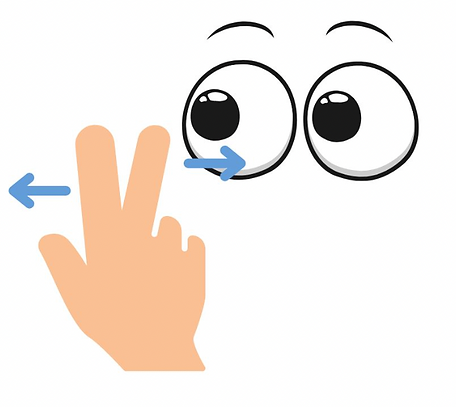
Eye Movement Desensitization & Reprocessing (EMDR)
EMDR is designed with the belief that the brain knows how to heal itself and does so most of the time. Sometimes however, trauma becomes “stuck” and needs to be processed later. This is done by activating both sides of the brain by something called bilateral stimulation (e.g., eye movements, pulsars, beeps, or self-tapping) to better access one’s logical and emotional brain while freely associating aspects of a memory. EMDR is not just for those with trauma disorders. It reduces reactivity, clears somatic tension associated with a memory, and ultimately allows adaptive information to be learned to help change negative core beliefs. EMDR involves theming one’s trauma history and using something called resourcing (imagery) to help regulate one’s emotions.
Basic EMDR Training (2017)
Treating First Responders and Military Personnel Acute Stress, PTSD and Complex PTSD using EMDR Therapy (2020)
Treating First Responders and Military Suffering with Shame, Guilt and Moral Injury using EMDR Therapy (2020)
First-Responders and Military Personnel: Addressing Dissociative Exhibitions and Suicidality with EMDR Therapy (2020)
Art of EMDR (2022)
EMDR 2.0 (2024)
EMDRIA certified clinician (2018-2024)
EMDR for First Responders (2025)
EMDR for Attachment Injuries (2026)

The Gottman Method
The Gottman Method is an approach to couples therapy that includes a thorough assessment of the couple’s relationship, and integrates research-based interventions to teach a host of practical skills. Goals of this therapy include conflict management, increasing intimacy, respect, and affection, and ultimately teaching couples how to improve or reconcile their differences.
Level 1 & 2 training in Gottman Method Couples Therapy (2024)
Couples & Addiction Recovery certificate (2024)
Treating Affairs & Trauma certificate (2024)
Bringing Baby Home Essentials - workshop facilitator (2025)
Therapy for Partner Aggression and Abuse (2026)

Biblical or Faith-Based Counselling
For those that subscribe to the Judeo-Christian faith, it is often important for their clinician to have a similar background. Sometimes that is all someone is looking for. Other times, clients may request scripture, theology, and/or prayer be woven into the interventions listed above - all of which can be offered upon request. Please note I welcome any faith backgrounds to my practice but do not claim to be knowledgeable in any besides Christianity (all denominations).
Master of Divinity in Biblical Counselling (2018)